2026.05.17Long
Default profile.
西日本の🐧
A personal magazine-style portfolio for projects, field notes, images, and moving visuals. Currently under construction; everything is subject to change.
Index
Selected Works
No works yet.
2026.05.01Long
Tomorrow marks the start of a self-drive route around the Seto Inland Sea—one I designed and will carry out myself.
The journey sets out from Kansai, heading west along the Seto Inland Sea. It passes through Shikoku, the Shimanami Kaidō, Teshima, Naoshima, and Shōdo Island, then returns to Kansai via a late-night ferry. The route weaves together driving, ferries, walking on remote islands, electric bikes, and a night sailing. The aim isn't to tick off as many sights as possible, but to let the sea, islands, art museums, roads, and travel rhythm flow into one another.
This isn't an entirely relaxed itinerary. During Golden Week, Setouchi demands advance judgement on traffic, ferry schedules, reservations, parking, and tides. Places like Teshima, Naoshima, and Shōdo Island in particular can easily eat up time if you try to figure out connections on the fly.
So the emphasis isn't just 'where we went', but how to break down a complex route into a smooth, actionable travel experience. The plan: start from Kansai, head west along the Seto Inland Sea, and drive through Ehime, Okayama, Teshima, Naoshima, and Shōdo Island.
Route Design
The overall flow is:
Kansai departure → towards Shikoku → Shimanami Kaidō → Uno Port area → Teshima / Naoshima → Shōdo Island → late-night ferry back to Kansai.
Day 1 is largely for long-distance movement, avoiding the peak chaos of the holiday's first day and keeping a slower pace. Day 2 is dedicated to the Shimanami Kaidō, with the focus on the sea-crossing roads, island scenery, and stops along the way. Day 3 centers on Teshima and Naoshima, without the car on the islands—getting around by ferry, on foot, and by electric bicycle. Day 4 takes the car over to Shōdo Island to drive around it. Finally, the late-night ferry brings us back to Kansai, combining overnight travel with rest and avoiding the expressway congestion of Golden Week's latter half.
The heart of this route isn't the shortest path, but a clearer theme for each day's experience: roads, boats, islands, art museums, and time to walk slowly by the sea.
Itinerary Overview May 2 | Kansai departure, heading towards Shikoku
Morning departure from Kansai, heading west on the expressway. The first day is a travel day, not packed too tightly. We'll rest at service areas or around Awaji Island en route. In the afternoon, we'll see the penguins at Shikoku Aquarium (and maybe others). Afterwards, I hope to visit Takaya Shrine. During Golden Week, tickets are probably first-come, first-served, so by the afternoon they might be gone. I'll go without much hope. In the evening, we arrive near Imabari in Ehime. Dinner plans: the famous local Imabari yakitori.
We'll stay near Imabari tonight to be ready for the Shimanami Kaidō tomorrow.
May 3 | Shimanami Kaidō, driving across the sea
Day 2's highlight is the Shimanami Kaidō. Starting from Imabari, we'll drive over the bridges that link the islands and along coastal roads, stopping to photograph around Ikuchijima and Ōmishima.
Then on to Onomichi, where we'll linger for some street photography. Lunch might be Setouchi lemon ramen, a seafood bowl, or whatever looks good along the way.
Around evening, we reach the area of Tamano in Okayama. We'll stay near Uno Port for an easy ferry departure to Teshima and Naoshima the next morning.
May 4 | Teshima and Naoshima, an art museum day
No car onto the islands today. Park near the accommodation and rely on ferries, walking, and bicycles all day.
Morning departure from Uno Port by ferry to Teshima. The morning's focus is the Teshima Art Museum—one of the places I've most looked forward to on this trip, so I'll allow plenty of unhurried time here.
After the museum, rent an electric bike on Teshima and wander the coastal slopes and narrow island paths. For lunch, I'll find a local restaurant for some vegetable dishes or simple island food.
In the afternoon, head from Teshima to Naoshima. At Miyanoura Port, first see the Red Pumpkin, then go to the art area. The afternoon's main event is the Chichu Art Museum.
After Chichu, if time and energy allow, I'll walk the coastal path to the Yellow Pumpkin and take photos of the sea and architecture. In the evening, take the ferry back to Uno Port.
This will probably be the most 'Setouchi' day of the trip: sea, boats, islands, art museums, and slow walks.
May 5 | Shōdo Island, a self-drive loop
Today, take the car to Shōdo Island. Morning ferry from the Okayama area to Shōdo Island, then start a circular drive.
Unlike Teshima and Naoshima, Shōdo is larger and its sights are more spread out. So the car comes along for a loop of the island.
The plan includes hilltop views, Olive Park, coastal roads, and Angel Road which appears at low tide. Today, attention must be paid not only to the route, but to tide times, parking, and the evening return arrangements.
Compared to Teshima and Naoshima, Shōdo's rhythm feels more like a road movie. Mountain roads, sea views, small towns, and time to drive slowly across the island.
The morning plan is to visit Kankakei Gorge. If the weather is good, I'll take the ropeway up for a view of the Seto Inland Sea and the surrounding islands from a height.
Lunch could be Shōdo's hand-stretched somen noodles, or simple snacks from hillside or roadside stalls.
In the afternoon, head to Shōdo Island Olive Park. Famous for its white windmills and the atmospheric setting of 'Kiki's Delivery Service', it should be a great spot for photos.
Then on to Angel Road. If the tide is right, walk along the sandbar that emerges at low tide.
For dinner, try Shōdo Island's olive-fed beef, or find a quiet restaurant to sit down for a meal. In the evening, head to the port for the late-night ferry back towards Kansai.
May 6 | Early morning arrival, back in Kansai
Arrive at Kobe Port in the early morning. Drive from the port to Osaka, arriving home around dawn.
No further itinerary for the day. Home, catch up on sleep, sort through photos—trip ends.
This time, I didn't choose to drive all the way back to Osaka from Shōdo or Okayama on the last day.
The Golden Week expressway return traffic is hard to predict, and the risk of driver fatigue is high. So I opted for the late-night ferry, moving both car and passengers through the night to arrive in Kansai in the morning.
The advantage: it dodges some of the expressway jams and gives the trip a memorable conclusion. Leaving the island, boarding the ship at night, arriving at the port at dawn, then driving back into the city. This kind of ending feels more like a proper 'end of a journey' than simply driving home.
Photography and Documentation Plan
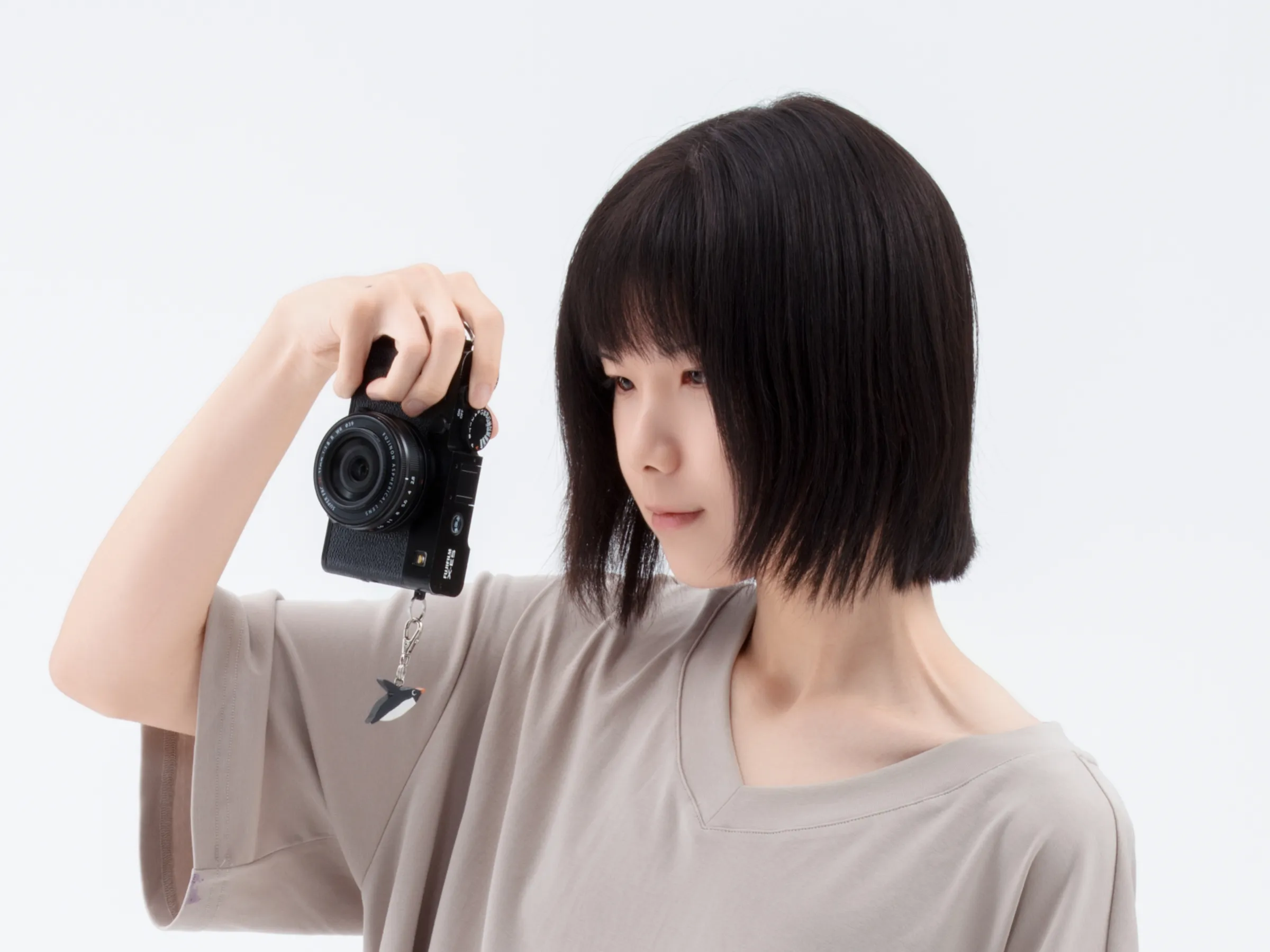
Naturally, it's time for my LUMIX S5. Instead of the kit lens, I've picked up a Leica Summicron-R 50mm F2—older than I am. Feels intriguing. The light, architecture, and coastal paths on Teshima and Naoshima should be perfect for photography, especially in the afternoon's raking light.
Most museums on the islands prohibit indoor photography, so I'll concentrate on the exterior architecture, seaside roads, ports, old streets, and small details along the way.
Rather than check-list snapshots, this time I want to capture the feeling of moving slowly: Taking ferries, waiting for them, cycling, walking—watching the sea, looking at buildings, and sensing the everyday life on the islands.
This trip isn't pure sightseeing; it's about connecting a few Setouchi spots I've only passed through before, without ever truly experiencing them.
There's the Shimanami Kaidō's sea-crossing road, the art museums of Teshima and Naoshima, Shōdo Island's mountains, olive trees, and coastline, and the late-night ferry with an early morning return.
My Role in This Itinerary
On this trip, I not only planned the route, but also handle the on-the-ground execution.
That includes route design, scheduling, coordinating accommodation and transport, booking key museums, judging ferry logistics, choosing parking and island access methods, and adjusting the pace on the fly.
For my companions, the ideal is not having to constantly check maps or confirm the next ferry. Just follow along—look at the sea when it's time to look, enter the museum when it's time to go in, and rest when it's time to rest.
I've always felt that good travel planning isn't just about slotting sights into a spreadsheet. More importantly, it's about digesting the complicated logistics, waiting, and decisions before departure. That way, once you're actually there, the journey feels lighter.
This Seto Inland Sea self-drive trip is, for me, not just a getaway, but a complete exercise in route design and field execution.
It combines driving, visiting remote islands, ferries, museum reservations, tide assessment, and off-peak movement during Golden Week. It looks like a trip, but in practice it's closer to a small project: it needs advance design and on-the-spot adaptation.
If it all goes smoothly, it will be a Setouchi experience well worth remembering.
2026.04.30Short
This is a chronologically sorted feed, reminiscent of a Twitter homepage. We plan to add filtering for posts with images and direct search by date and keywords in the future.